
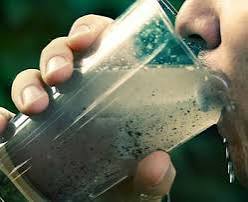
Residents of Karelabagh, behind Abubakr Mosque, have been receiving contaminated water for over a year; locals report insects, mud, foul-smelling and black-coloured water. Despite a written complaint to the General Manager of Jal Nigam, residents are still awaiting a permanent solution
Prayagraj: Residents living behind Abubakr Mosque in Karelabagh, Ward No. 96, have been facing the problem of contaminated drinking water for more than a year. The condition of the water supplied to households in the area is reportedly so poor that its quality raises serious concerns. According to local residents, water coming from household taps is sometimes yellow, sometimes muddy, and at times black in colour. Mud, insects, shells and other forms of dirt have also reportedly been found in the water. Moreover, the water emits an extremely strong and unbearable foul smell and has an unpleasant taste. Under such circumstances, residents find it difficult not only to use this water but even to consider drinking it.
Mud and Insects in Drinking Water: What Exactly Are Residents Being Forced to Consume?
Local residents say that the water being supplied to their homes in the name of drinking water indicates a problem far more serious than ordinary contamination. Changes in water colour, the presence of mud and insects, foul odour and unpleasant taste raise serious questions about the quality and safety of the water supply system. The very water that people depend on for drinking, cooking and other daily necessities has now become a source of concern for their health.
Consumption of contaminated water can increase the risk of waterborne diseases such as diarrhoea, cholera, typhoid, dysentery and Hepatitis A. The situation may be particularly risky for young children, elderly people and individuals with weakened immune systems. Therefore, the supply of contaminated water in the area should not be treated merely as an inconvenience but as a serious public health concern.
## Problem Persists for Over a Year; Written Complaints Submitted to District Development Officer and GM, Jal Nigam: What is particularly concerning is that the problem is neither limited to a day or two nor the result of a temporary technical fault. Residents have reportedly been facing this situation for more than a year.
Considering the seriousness of the matter, a written application has also been submitted to the General Manager of Jal Nigam to draw the attention of the concerned authorities. Through the application, residents have demanded an immediate halt to the supply of contaminated water, a proper investigation into the problem and the provision of clean and safe drinking water. Despite these efforts, local residents are still waiting for a permanent solution.
## Pipeline Leakage or Sewage Contamination? Water Supply System Under Scrutiny: The continuous supply of dirty water in the area has raised several technical questions. Is the drinking water pipeline damaged somewhere? Is sewage water mixing with the drinking water supply? Is there a leakage in the pipeline or some other technical fault in the water distribution system?
These questions can only be answered through an on-site investigation and scientific testing of water samples. Local residents have demanded that water samples be collected immediately from the affected area and tested at an accredited laboratory. They have also called for a comprehensive technical inspection of drinking water pipelines to identify the actual causes of contamination and fix responsibility for the problem.
## Residents Demand Immediate Administrative Intervention: In a written application submitted to the Chief Development Officer (CDO), residents have urged the General Manager of Jal Nigam and the concerned administrative authorities to treat the matter as a priority and take immediate action.
Until the water is scientifically tested and certified as safe for consumption, alternative arrangements for providing clean drinking water to affected families should be ensured.
Residents have also demanded repairs to the pipeline, an investigation into possible sewage contamination and regular water quality testing to prevent such incidents in the future.
The question remains: When yellow, muddy and black-coloured foul-smelling water containing mud, insects and other impurities has reportedly been reaching people’s homes for more than a year, why have the concerned departments failed to find a permanent solution?
How long will residents have to wait to receive clean and safe drinking water in their own homes? Access to clean drinking water is a fundamental necessity for citizens and an essential requirement for public health. The problem of contaminated water supply behind Abubakr Mosque in Karelabagh, Ward No. 96, demands immediate departmental intervention. Authorities must ensure that administrative negligence does not force local residents to pay for this failure with their health—or, worse, their lives.


