
Demands GST exemption on newsprint, paper, ink and printing materials; writes to GST Council urging it to initiate relief measures
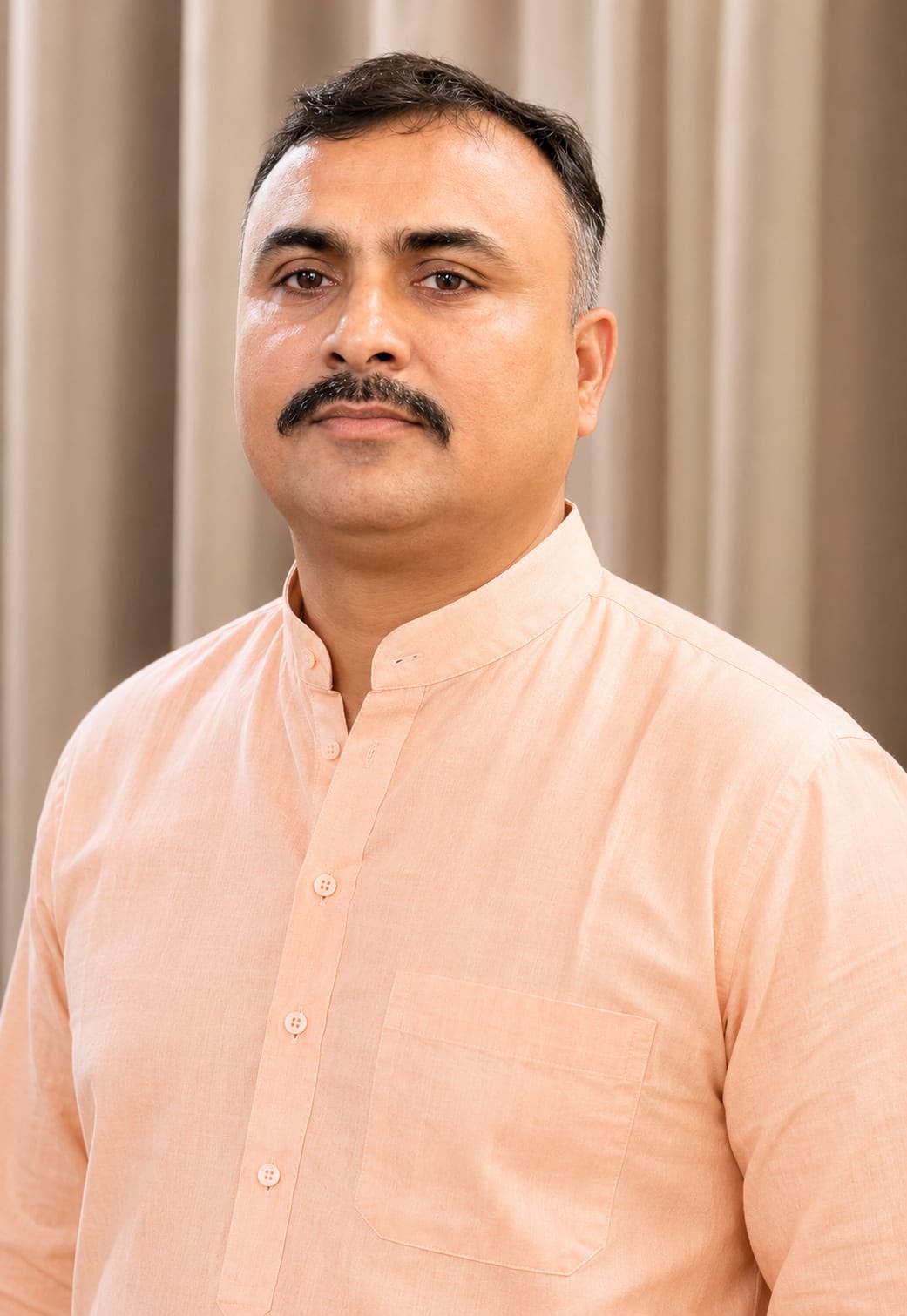
Prayagraj: The issue of the country’s small and medium newspapers’ continuously deteriorating financial condition and rising publishing costs has now been raised at the level of the Press Council of India. Arun Kumar Tripathi, a member of the Press Council of India, has written a letter to the Chairman of the Council, urging him to take important initiatives to provide relief to small and medium newspapers from the financial burden of GST. He has requested the Chairman to write a letter to the Goods and Services Tax Council (GST Council) in this regard and recommend consideration of the proposal to exempt newsprint and essential materials used in printing newspapers from GST or to provide special tax relief.
In his letter, Mr. Tripathi stated that despite the zero-rate GST rate applicable on newspaper sales, publishers are still required to pay GST on the purchase of newsprint, paper, ink, printing plates, and other essential materials used in newspaper publication. Due to statutory limits on input tax credits for newspaper supplies, the financial burden of this tax ultimately falls on publishers. This situation is particularly difficult for small and medium-sized newspapers, which continue their publication with limited capital and limited advertising resources.
There is no GST on newspaper sales, then why the burden on printed material? An important question has been raised in the letter that when newspaper publishers do not charge GST separately from the readers on the sale of newspapers, then why should the publishers bear the entire financial burden of the tax paid on the necessary material purchased for preparing the newspaper?
According to Mr. Tripathi, small and medium-sized newspapers have limited capital, advertising, and revenue sources compared to larger media groups. Rising paper prices, printing, distribution, staff salaries, and other operating expenses already pose challenges. The GST on publications is further exacerbating their financial difficulties.
In his letter, he emphasized that small newspapers are not merely commercial establishments, but rather important channels for conveying the voice of ordinary citizens to government and administration in a democracy. These newspapers play a crucial role in highlighting local problems, the true state of government schemes, corruption, and administrative irregularities in rural areas, towns, and small cities.
GST Council urged to consider six important suggestions: Arun Kumar Tripathi has requested the Chairman of the Press Council of India to place the following suggestions before the GST Council-
Newsprint and paper used in newspapers should be completely exempted from GST.
Consider abolishing GST or implementing concessional rates on ink, printing plates and other essential printing materials. A special input tax credit or refund arrangement should be made for GST paid on publication material. A separate tax relief policy should be implemented for small and medium newspapers based on circulation numbers and other objective parameters. Interim tax relief should be given to small publishers until a permanent solution is found. An expert committee should be formed to study the actual economic impact of GST on the newspaper industry.
If small newspapers close down, local journalism will weaken: In his letter, Mr. Tripathi warned that if small and medium-sized newspapers cease publication or their circulation capacity is affected due to financial pressures, the harm will not be limited to publishers and journalists alone. It will also directly impact the people in areas where local newspapers are the primary voices and voices of ordinary people.
He has requested the Chairman to take this issue seriously and raise it before the GST Council and the Finance Ministry and take initiative to provide relief keeping in mind the actual financial condition of small and medium newspapers.
Tripathi’s initiative raises an important question: when newspapers play a crucial role in public interest and public awareness in democracy, why should the essential materials used in their printing be taxed so heavily that it threatens the very existence of small publishers? It remains to be seen what initiative the Chairperson of the Press Council of India takes on this demand and how this issue reaches the GST Council.


