
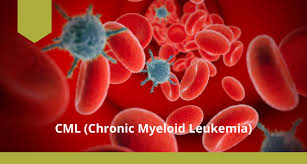
Prayagraj: “Chronic Myeloid Leukemia (CML), also known as Chronic Myelogenous Leukemia, is a type of blood cancer that originates in the bone marrow, where blood cells are produced. It is characterized by the uncontrolled growth of myeloid cells, which are immature white blood cells responsible for fighting infections. Unlike acute leukemias that progress rapidly, CML typically develops slowly, allowing for early detection and effective management in many cases. This essay aims to provide a comprehensive overview of CML for the general public, covering its causes, symptoms, diagnosis, treatment, and the importance of awareness. By increasing knowledge about this disease, we can empower individuals to seek timely medical attention, support affected loved ones, and contribute to ongoing research efforts,” says Dr Garima, MBBS, MD oncologist.
CML affects approximately 1 in 565 people in the United States, representing about 15% of all leukemia cases. According to recent estimates, around 9,650 new cases will be diagnosed in 2026, with about 1,170 deaths attributed to the disease. While it can occur at any age, CML is more common in older adults, with an average diagnosis age of 66 years. It is relatively rare in children, accounting for only 2% of cases under age 20. Globally, the incidence varies, but advancements in treatment have transformed CML from a fatal illness into a manageable chronic condition for most patients. Public awareness is crucial because early symptoms are often subtle, leading to delayed diagnoses that can complicate outcomes.
The primary cause of CML is a genetic abnormality known as the Philadelphia chromosome, which results from a translocation between chromosomes 9 and 22. This mutation creates a fusion gene called BCR-ABL, which produces an abnormal protein that promotes the excessive production of white blood cells. Unlike inherited genetic disorders, this mutation is acquired during a person’s lifetime and is not passed down from parents. Risk factors include exposure to high levels of radiation, such as from atomic bombs or certain medical treatments, though most cases have no identifiable cause. Age is a significant factor, with the disease rarely affecting younger individuals. Smoking and certain chemical exposures may also play a role, but evidence is limited. Understanding these causes highlights the importance of environmental safety and regular health check-ups for at-risk populations.
Symptoms of CML often develop gradually and can be mistaken for other common ailments, which underscores the need for vigilance. In the early chronic phase, which can last for years, individuals may experience fatigue, weakness, unexplained weight loss, and shortness of breath due to anemia. A feeling of fullness in the abdomen from an enlarged spleen is common, along with night sweats, fevers without clear infection, and frequent infections. Bone pain, easy bruising, and bleeding may occur as the disease affects platelet production. In children, symptoms might include anemia, infections, and bruising, but the disease tends to be more aggressive. About 40% of patients are asymptomatic at diagnosis, discovered through routine blood tests. If left untreated, CML progresses to an accelerated phase with worsening symptoms, and eventually to a blast phase resembling acute leukemia, which is harder to treat. Recognizing these signs early can lead to better prognosis.
Diagnosis typically begins with a complete blood count (CBC) that reveals elevated white blood cell levels and abnormal cell types. A bone marrow biopsy confirms the presence of the Philadelphia chromosome through cytogenetic testing or polymerase chain reaction (PCR) to detect the BCR-ABL gene. Imaging tests like ultrasounds may assess spleen enlargement. Staging CML into phases—chronic (most common at diagnosis), accelerated, and blast—helps guide treatment. Public awareness campaigns can encourage routine screenings, especially for those over 50, to catch CML in its manageable stage.
Treatment for CML has revolutionized since the introduction of tyrosine kinase inhibitors (TKIs) in the early 2000s. Drugs like imatinib (Gleevec), dasatinib, nilotinib, and ponatinib target the BCR-ABL protein, effectively controlling the disease in over 90% of patients in the chronic phase. These oral medications allow many to achieve deep molecular remission, where the abnormal gene is undetectable. For resistant cases or advanced phases, chemotherapy, immunotherapy, or allogeneic stem cell transplantation may be used. Side effects of TKIs include fatigue, nausea, and muscle pain, but they are generally well-tolerated. Regular monitoring through blood tests is essential to adjust therapy and prevent resistance. In children, treatment follows similar protocols but requires careful consideration of growth impacts. Ongoing research into new TKIs and combination therapies promises even better outcomes.
Living with CML involves managing it as a chronic condition, much like diabetes or hypertension. Patients are advised to maintain a healthy lifestyle, including a balanced diet, regular exercise, and avoiding infections through vaccinations. Emotional support is vital; support groups and counseling can help cope with the psychological burden. Fertility preservation should be discussed before treatment, as some therapies may affect reproduction. With adherence to medication, many patients enjoy normal life spans and quality of life. However, financial challenges arise from lifelong drug costs, emphasizing the need for accessible healthcare.
Prognosis for CML has improved dramatically; survival rates exceed 90% at five years with early treatment. Factors influencing outcomes include age, phase at diagnosis, and response to TKIs. While not curable for all, some patients achieve treatment-free remission after years of therapy. Statistics show a decline in mortality due to targeted therapies, but disparities exist in low-resource areas. Prevention is limited since most cases are sporadic, but reducing radiation exposure and promoting healthy habits can mitigate risks. Research funded by organizations like the Leukemia Research Foundation focuses on curing CML through gene editing and novel drugs.
In conclusion, CML is a treatable cancer that, with awareness and early intervention, no longer needs to be a death sentence. By educating the public on its signs, causes, and management, we can reduce stigma, encourage screenings, and support those affected. Initiatives like World CML Day on September 22 foster global solidarity. As a society, investing in research and equitable access to care will continue to turn the tide against this disease. If you or a loved one experience persistent symptoms, consult a healthcare professional promptly—knowledge is the first step toward empowerment and health.


