
Sentence of person convicted of marrying after concealing his second marriage reduced to period already served, HC upheld 39-year-old case
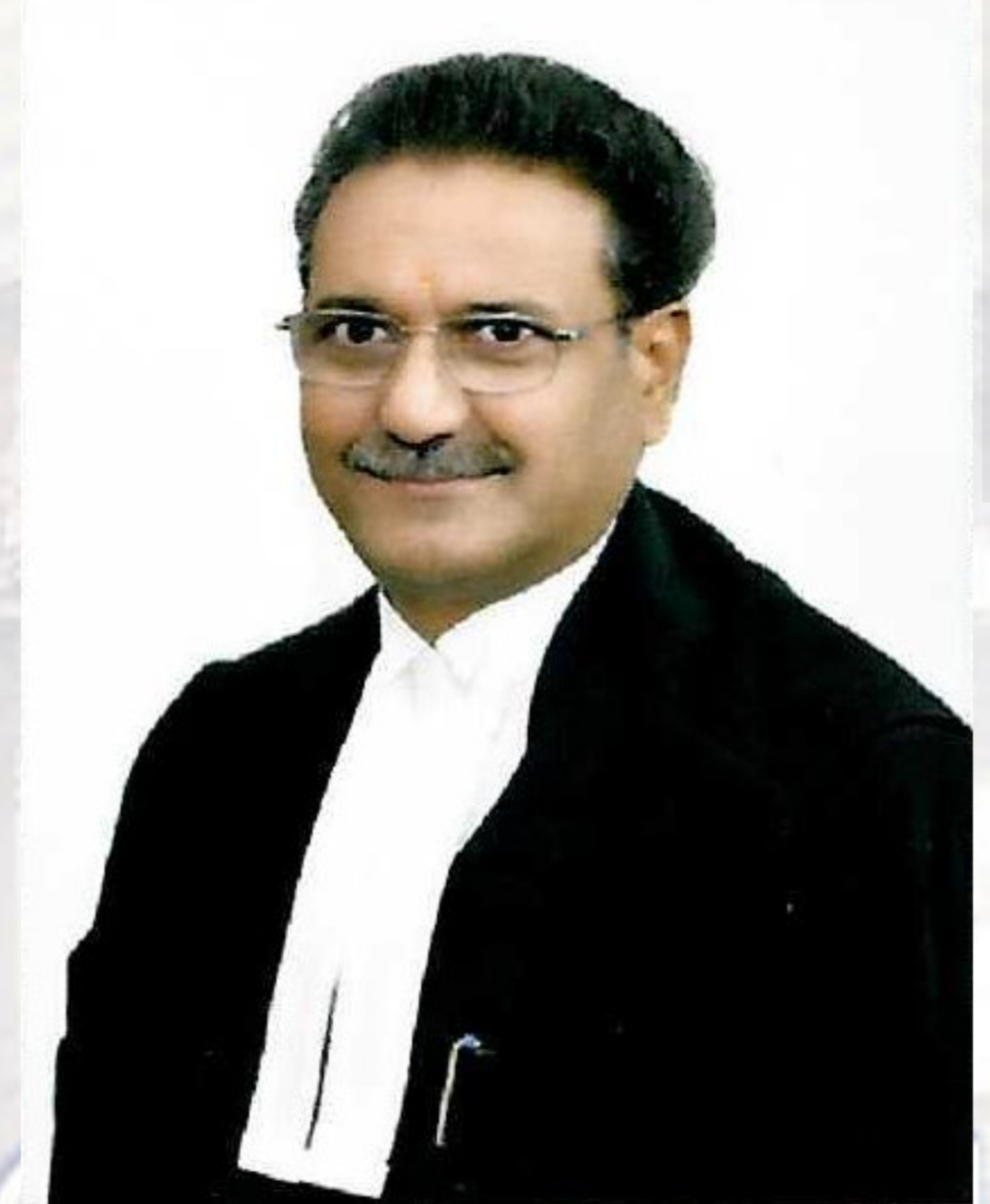
Prayagraj: The Allahabad High Court has granted relief to a man convicted of concealing his first marriage and entering into a second marriage through fraudulent sexual intercourse. While upholding the conviction, the High Court reduced the sentence of 72-year-old appellant Radhey Shyam to the period he had already served in prison. A single bench of Justice Tej Pratap Tiwari delivered this verdict. The case dates back to 1985, when the Bulandshahr Additional Sessions Judge Court on February 7, 1987, convicted Radhey Shyam under sections 376 (rape), 420 (cheating), and 495 (concealing his first marriage) of the Indian Penal Code, sentencing him to 4, 2, and 2 years of rigorous imprisonment, respectively. Co-accused Jai Ram was also sentenced to two years’ imprisonment under sections 420 and 495/109, but his appeal was deemed abated due to his death while the appeal was pending. The court heard only Radhey Shyam’s case. According to the prosecution, the complainant lived under the care of her elderly grandfather and uncle. In January 1984, the accused, Jai Ram, contacted the victim’s uncle and told him that his nephew, Radhey Shyam, was unmarried, worked at a weaving factory in Meerut for a monthly salary of nine hundred rupees, and owned several properties. Based on this assurance, the family traveled to Meerut, where Radhey Shyam also claimed to be unmarried. Subsequently, in February 1984, the engagement and wedding ceremonies took place, during which cash, clothes, and sweets were given as dowry. The marriage was solemnized according to Hindu customs on the night of February 23-24, 1984.
After the wedding, Munni Devi went to her in-laws’ house in Meerut, where the accused had sexual relations with her during her four-day stay. During this time, she discovered that another woman living in the house was actually Radhey Shyam’s legally married first wife. When she questioned him, the accused threatened to kill her if she revealed the truth. After returning to Bulandshahr, she kept the matter secret for some time out of fear, but later revealed the entire incident to her family. When attempts to return the dowry items failed, a legal notice was sent, to which the accused apologized but neither returned the items nor rectified the mistake. The complainant, the victim, her uncle Nanak Chand, witnesses Bhagwati Prasad, and grandfather Ganga Saran all confirmed the events described in the FIR. Accused Radhey Shyam claimed in his court statement that he had informed Bhagwati Prasad and Hasan Ali about his first marriage during their meeting in Meerut and had also shown them the divorce deed. He had also reiterated his divorce at the time of the engagement.
The defense presented witness Malkhan, who stated that Krishna Devi and Radhey Lal had been married in 1976, but the marriage was unsuccessful and ended by agreement a year later. The defense also argued that the practice of divorce by mutual consent is prevalent in their community. The appellant’s lawyer, Dushyant Kumar, argued that the accused had an honest belief that his first marriage had already been dissolved, and therefore, conviction under both Sections 376 and 495 was incorrect.
Additional Government Advocate Harshita Rani, representing the state, argued that a notarized divorce agreement is not legally valid and that the accused concealed information about his first marriage. The High Court found that the divorce deed presented by the accused cannot be considered a valid divorce decree in the eyes of law. The court also noted that the accused had admitted in his statement that the dissolution proceedings of his first marriage were disputed in 1979, which clearly indicates that he was aware that dissolution of a Hindu marriage is a legal process. Despite this, no decree from a competent court was produced. The court stated that no concrete or credible evidence was presented to prove the alleged practice of divorce within the community. In this context, the court cited decisions such as Ram Kripal Singh v. State of Madhya Pradesh and Jatina Sameer Shah v. Sameer Mohit Shah of the Bombay High Court, which state that a marriage cannot be considered dissolved solely on the basis of an agreement unless a decree is obtained from a competent court or the custom is duly proven. The court concluded that the accused knew that his first marriage was not legally dissolved, yet he concealed this fact and entered into a second marriage and had sexual relations. Based on this, the elements of the offense under both Sections 376 and 495 were satisfied. While upholding the conviction, the court took into account the appellant’s age (approximately 72 years) and the fact that the appeal had been pending for the past 39 years. The court stated that re-sentencing a man over 70 years of age, with no criminal background, who had already served some time in prison, would be inappropriate in the interest of justice. Based on this, the court reduced the sentence to the period he had already served. The High Court, while partly allowing the appeal, modified the order of conviction and sentence passed by the Additional Sessions Judge Court, Bulandshahr on February 7, 1987.


